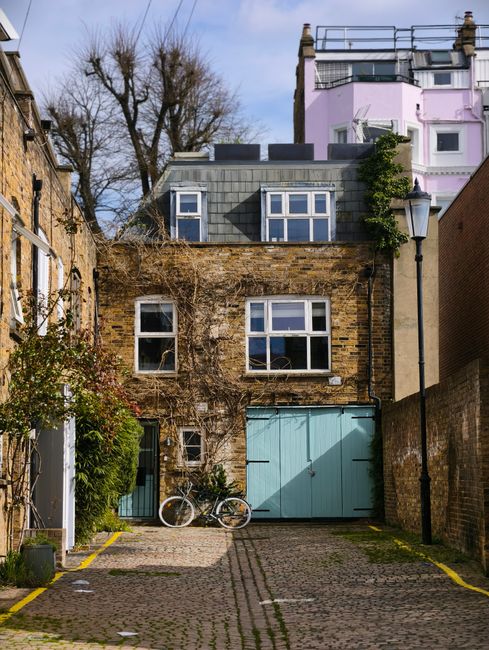
Brompton Road Insider Removals Tips for Narrow Street Homes
If you are moving on or near Brompton Road, you already know the awkward bit: the buildings may be elegant, but the streets can be tight, busy, and not at all forgiving on moving day. That is where Brompton Road insider removals tips for narrow street homes really matter. A standard move can become complicated fast when parking is limited, stairwells are narrow, and there is barely room to swing a box, let alone a sofa. The good news? With the right plan, it can still be a calm, efficient move. A surprisingly smooth one, actually.
In this guide, we will walk through the practical details that make the biggest difference: access checks, packing choices, vehicle sizing, timing, handling tricky furniture, and the small local habits that save time and stress. Whether you are moving a flat, a townhouse, or a top-floor home tucked into one of Brompton Road's narrower side streets, you will find clear advice you can use straight away.
- Why these removals tips matter
- How removals on narrow streets work
- Key benefits and practical advantages
- Who this is for and when it makes sense
- Step-by-step guidance
- Expert tips for better results
- Common mistakes to avoid
- Tools, resources and recommendations
- Law, compliance, standards, or best practice
- Options, methods, or comparison table
- Case study or real-world example
- Practical checklist
- Conclusion
- Frequently asked questions
Why Brompton Road Insider Removals Tips for Narrow Street Homes Matters
Moving in a narrow street home is a different game. The challenge is not only the distance from front door to van. It is the whole environment around it: traffic flow, pedestrians, tight turns, parked cars, low kerbs, bins left out at the wrong moment, and staircases that seem designed for people carrying one book at a time. Brompton Road and the streets feeding into it can throw all of that at you in one go.
That is why planning matters so much. A move that feels fine on paper can become slow, expensive, and frustrating if the removal team has to keep shuttling items because the van cannot get close enough. In our experience, the real win is not brute force. It is removing friction before moving day even starts. Think of it as turning a stressful puzzle into a sequence of simple steps.
For many homes in this part of London, the main issue is not volume, but access. You might only have a few pieces of furniture, but if a wardrobe has to be manoeuvred down a narrow stairwell and around a sharp corner, the job can take longer than a larger move with better access. That is the bit people often miss.
Expert summary: The best Brompton Road removals are usually won before the van arrives: by checking access, reducing bulky items, packing in load order, and choosing the right vehicle and crew size.
If you want a broader look at local moving options, it can help to compare services on the site's removal services in Brompton page or review the practical focus of removals in Brompton. Both can help you think through what kind of move you actually need, rather than guessing.
How Brompton Road Insider Removals Tips for Narrow Street Homes Works
Successful narrow-street removals usually follow the same basic logic: reduce uncertainty, reduce walking distance, and reduce the number of times each item is handled. Sounds simple. It is simple, but only if you prepare properly.
Here is how the process usually works in practice:
- Pre-move access check - confirm where the van can park, whether there are loading restrictions, whether the street allows a medium or small vehicle, and how far items must be carried.
- Property walk-through - note stair width, ceiling height, sharp corners, hallway turns, and anything fragile like bannisters or old plasterwork.
- Item sorting - identify what will be moved, what should go into storage, what can be sold or donated, and what should not be transported at all.
- Packing by priority - pack a sensible load order, with essentials separate and fragile items clearly marked.
- Vehicle and crew matching - use a van and team size that suit access conditions, not just the number of boxes.
- Move-day coordination - keep the route clear, manage keys, and make sure someone is available to direct the crew if the building layout is awkward.
Narrow street moves often require more coordination than muscle. One person at the door, one person at the van, and a clear route in between can save a surprising amount of time. And yes, that includes the little things: moving a plant stand from the hallway, propping open the right door, or checking whether a rug needs rolling before the sofa arrives.
If you are moving a flat rather than a full house, the details matter even more. You may find the guidance on flat removals in Brompton especially useful, because flats often combine stair access, shared entrances, and limited waiting space all in one move.
Key Benefits and Practical Advantages
The right approach to a narrow street move gives you more than convenience. It lowers risk. It also makes the whole day feel less chaotic, which, to be fair, is half the battle when you are surrounded by boxes and trying not to misplace the kettle.
- Less manual handling - fewer carries usually means fewer bumps, scrapes, and tired mistakes.
- Better time control - a good plan reduces delays caused by parking, turning, or repositioning the van.
- Lower chance of property damage - narrow stairs, tight corners, and old walls are easier to protect when items are measured and prepped in advance.
- Less stress for residents and neighbours - shorter loading times and cleaner routes reduce disruption on the street.
- More accurate pricing - when access is clearly described, quotes are usually more realistic.
There is also a simple but important benefit: peace of mind. When you know the big pieces will fit, the van can get close enough, and the crew understands the layout, the day feels manageable. You can breathe a bit. You can actually focus on the move rather than the logistics.
For homeowners keeping an eye on budget, it is worth checking pricing and quotes early. That helps you compare options before you commit, especially if access issues might change the amount of labour or vehicle size needed.
Who This Is For and When It Makes Sense
This advice is especially useful if you live in a Brompton Road home where access is tight, public parking is limited, or the moving route includes stairs, shared corridors, or a courtyard entrance. It is also a strong fit if you are moving valuable furniture, awkward items, or a mix of boxes and larger household pieces.
You will benefit most if you are:
- moving from a flat or maisonette on a narrow street
- moving a family home where the front access is restricted
- planning a same-day move with a small window for loading
- moving furniture that needs careful handling through tight turns
- trying to minimise disruption to neighbours or other building users
- looking for a more flexible vehicle option rather than a huge lorry
Truth be told, narrow street removals are not just for people with "difficult" homes. Sometimes even a fairly ordinary-looking address becomes awkward because the street is busy, the parking is strict, or the lift is too small for the largest items. That is why early planning helps almost everybody.
If you are comparing styles of help, the pages on man with van Brompton, man with a van Brompton, and man and van Brompton are useful starting points for understanding the kind of move support that suits compact access.
Step-by-Step Guidance
1. Measure the awkward bits, not just the rooms
Room size matters, but the real problem areas are usually doors, turns, stair landings, and the approach from the street. Measure the width of doorways, the tightest staircase point, and any bend where a sofa or wardrobe could snag. If something is borderline, assume it will be awkward until proven otherwise.
2. Confirm the loading point before move day
Do not leave parking to chance. Decide where the van should stop, who is allowed to wait there, and how long loading is likely to take. If the street is narrow enough that one wrong park can block everyone, you want this settled in advance. One tiny misunderstanding can throw off the whole morning.
3. Separate your load into priority groups
Try this simple grouping method:
- Group A: essential boxes and daily-use items
- Group B: standard furniture and non-urgent boxes
- Group C: fragile, valuable, or awkward items
- Group D: storage, donations, and items leaving later
This makes it easier to load in the right order and unload without chaos. It also helps if you need a storage stop. If that is part of your plan, the storage in Brompton option can make a move more flexible when completion dates, decorators, or handover timing do not line up perfectly.
4. Prepare furniture for tight corners
Remove legs, cushions, shelves, and loose fittings where possible. Wrap sharp edges. Tape drawers shut if they cannot be removed. A little preparation often turns a near-impossible item into a manageable one. I have seen people lose half an hour trying to force a table through a turn that would have been easy once the legs were taken off. Annoying? Yes. Avoidable? Completely.
5. Keep the building route clear
The route from the front door to the van should be as open as possible. That means moving shoes, bin bags, umbrella stands, and anything else that gets in the way. In a narrow hallway, even a small obstruction becomes surprisingly annoying. You notice it most when you are carrying something bulky and the space suddenly feels even smaller than it looked five minutes ago.
6. Use the right vehicle size
A huge van is not automatically better. In a narrow street, a smaller or mid-sized vehicle can be the practical winner because it parks more easily and keeps the move moving. The aim is not to impress anyone with load space. The aim is to complete the job without repeated repositioning. Simple, really.
7. Leave a buffer for the unexpected
Even the best-planned move may hit a small snag: a resident's car parked a little too close, a parcel left in the entryway, or a last-minute item you forgot to mention. Build in a little buffer so these things do not become a disaster. A calm 15-minute delay is much better than a rushed, clumsy one.
Expert Tips for Better Results
These are the little things that often separate a decent move from a good one.
- Pack by shape, not just by room. Flat items, tall items, and fragile items all behave differently in a van.
- Photograph tricky furniture before dismantling. It sounds obvious, then suddenly it is not when you are looking at a bag of screws and wondering what goes where.
- Keep one box of essentials separate. Kettle, chargers, medications, documents, toiletries. The usual suspects.
- Use colour labels on boxes. It reduces confusion in a building with several floors or multiple rooms.
- Protect walls and bannisters. Old properties can mark easily, so wrapping and careful carrying really pays off.
- Ask about insurance and handling standards. A careful mover should be able to explain how they manage fragile or high-value items.
For delicate or heavy items, it may be worth checking furniture removals in Brompton or, if you have an instrument involved, piano removals can be the right specialist route. The exact method matters more than people think. A piano, for example, is not just heavy; it is awkward, fragile, and easily damaged if treated like an ordinary box.
If your move is happening alongside an office relocation or business shutdown, the planning becomes even more layered. In that case, office removals may be worth a look as a broader reference point for scheduling and careful handling, even if you are only borrowing the same planning mindset for a home move.
Common Mistakes to Avoid
The biggest mistake is assuming the street will "sort itself out" on the day. It usually does not. Narrow roads reward preparation and punish guesswork.
- Booking the wrong vehicle size - too large and parking becomes a headache; too small and you pay in extra trips.
- Ignoring stair and doorway measurements - a sofa that fits the room may still fail at the landing.
- Not telling the removals team about access issues - if they do not know, they cannot plan for it.
- Leaving packing until the last evening - rushed packing creates fragile boxes and lost time.
- Forgetting parking realities - a perfect plan falls apart if the van cannot legally or safely stop where you expected.
- Keeping bulky items assembled for no reason - sometimes disassembly is the difference between stress and success.
Another common one: people underestimate how long hand-carrying can take. If the van has to stop further away than expected, every item becomes a mini journey. Not terrible. Just slower. And slower is what turns a straightforward move into a long, tiring day.
If you are not sure which service level fits your situation, removal companies in Brompton is a helpful comparison page for thinking through your options in a more structured way.
Tools, Resources and Recommendations
You do not need a warehouse of gear, but a few tools make narrow street removals much easier.
| Tool or resource | What it helps with | Why it matters in narrow street homes |
|---|---|---|
| Measuring tape | Doorways, furniture, stair landings | Prevents items from getting stuck mid-move |
| Furniture blankets | Protecting surfaces and corners | Useful when squeezing through tight hallways |
| Straps and trolleys | Lifting and transporting heavier items | Reduces strain and helps with awkward distances |
| Boxes of consistent size | Stacking and loading | Makes van loading much more stable |
| Labels and markers | Identifying rooms and priorities | Speeds up unloading where space is limited |
| Storage solution | Staged or delayed moves | Handy when access or timing does not line up cleanly |
For packing specifics, the page on packing and boxes in Brompton is particularly useful if you want to reduce the usual moving-day chaos. Good boxes may sound boring. They are not glamorous, but they save time and protect belongings. Honestly, good packing is a quiet superpower.
You may also want to review services overview if you are trying to map out a full move plan, or same day removals in Brompton if your timeline is compressed and you need quicker coordination.
Law, Compliance, Standards, or Best Practice
For a home move in a tight London street, compliance is mostly about practical responsibility rather than legal drama. That means parking safely, not blocking access unfairly, handling property carefully, and ensuring items are moved in a way that is reasonable for the building and the street.
There are a few best-practice points worth keeping in mind:
- Check local parking and loading rules in advance. Do not assume a space is usable simply because it looks empty.
- Use trained handling methods. Heavy items should be carried with proper technique and, where needed, the right equipment.
- Protect shared spaces. Hallways, lifts, and communal entryways should be treated with extra care.
- Understand the provider's terms. It is sensible to know what is included before move day.
- Ask about insurance and safety procedures. That matters more when access is difficult or items are valuable.
If you want to understand the company's approach to this side of the work, the pages on insurance and safety, health and safety policy, and terms and conditions are the most relevant places to review. You do not need to become a compliance expert. But you do need enough clarity to know your belongings and property are being handled responsibly.
One more practical note: if your move generates items you no longer want, it is worth thinking about reuse and disposal early. The page on recycling and sustainability is a useful reminder that a good move is not only about transporting items, but also about clearing space in a sensible way.
Options, Methods, or Comparison Table
Different narrow street moves call for different approaches. Here is a simple comparison to help you decide.
| Method | Best for | Pros | Trade-offs |
|---|---|---|---|
| Small van move | Very tight streets, lighter loads, quick access | Easier parking, less street disruption, flexible | May require more than one trip if the load is large |
| Man and van | Flats, smaller homes, mixed loads | Good flexibility, often efficient for awkward access | Not ideal for very large household moves |
| Full removals team | Heavier furniture, multiple rooms, larger properties | More hands, better for bulky items, reduced physical strain | Needs more coordination and can cost more |
| Staged move with storage | Delayed completion, decorating gaps, tight access windows | Very flexible, lowers pressure on move day | Requires planning and an extra handover step |
There is no single best option for every Brompton Road home. The right choice depends on how tight the access is, how much furniture you have, and whether timing is fixed or flexible. A smaller setup can be the smarter choice even if, on paper, it looks less impressive. The van does not need to be huge. It needs to be right.
For a broader look at moving styles, you can also compare man and a van Brompton with removal van Brompton. That gives you a clearer feel for the trade-off between flexibility and load capacity.
Case Study or Real-World Example
Here is a realistic scenario. A couple living in a top-floor flat off Brompton Road needed to move across west London. The flat had a narrow stairwell, a long hallway, and a large wardrobe that looked fine until it had to turn at the landing. The street outside had limited stopping space, and deliveries were already lined up by mid-morning.
Instead of treating it like a standard move, the planning focused on three things: smaller load size, furniture disassembly, and a short loading window. The crew arrived with the right vehicle for the street, not the biggest van available. Boxes were grouped by priority, and the wardrobe was dismantled before the move started. That one decision probably saved the most time.
There was still a small hiccup. Of course there was. A neighbour had parked slightly too close to the intended loading spot. But because the team had already mapped a second option, they adjusted without drama and kept going. The whole move finished within the expected time, and nothing was scratched. Not perfect in a glossy brochure sense, but very workable in real life.
The couple later said the most useful part was not the lifting; it was the advance thinking. That rings true. Narrow street homes do not reward last-minute improvisation. They reward calm preparation and a team that understands local constraints.
Practical Checklist
Use this checklist the week before move day. It keeps things grounded.
- Measure key furniture, doorways, and stair widths
- Confirm the loading spot and parking restrictions
- Tell the removals team about any awkward access points
- Separate fragile items and clearly label them
- Disassemble large furniture where sensible
- Pack one essentials box for the first night
- Clear hallways, entryways, and stair landings
- Decide what is going to storage, donation, or recycling
- Check insurance and handling terms
- Keep keys, documents, and chargers in a safe, easy-to-reach bag
If you are still comparing options at this stage, the broader page on house removals in Brompton is helpful for working out whether your move needs a more full-service approach or something lighter and more flexible.
Conclusion
Brompton Road insider removals tips for narrow street homes are really about making smart choices early. Measure the awkward bits, choose the right vehicle, pack with the route in mind, and do not leave parking or access to chance. Once those basics are handled, the rest of the move becomes much easier to manage.
That is the practical truth of narrow street moving in this part of London: the details matter, but they are manageable. And once you have a plan, the day feels far less like a scramble and far more like a sequence of small, solvable steps. A bit of patience goes a long way. So does a good pair of hands, to be fair.
Get a free quote today and see how much you can save.
When you are ready, take the time to choose the route, the support, and the timing that suit your home best. A thoughtful move has a quieter kind of confidence, and that is a nice feeling to carry into a new place.
Frequently Asked Questions
What makes narrow street homes harder to move from?
Narrow street homes are harder because parking, turning, loading, stair access, and carrying distance can all be restricted at the same time. Even a small move can take longer if the van cannot get close enough.
Should I choose a smaller van for Brompton Road?
Often, yes. A smaller or mid-sized van can be easier to park and position on a narrow street. That can reduce loading delays, which is usually more valuable than having excess vehicle space.
How early should I book a removals team for a tight-access move?
As early as you can, especially if your move date is fixed. Tight-access jobs benefit from more planning, and early booking gives time to confirm parking, access, and packing details properly.
Do I need to dismantle furniture before moving day?
Not everything, but large or awkward items often should be dismantled if possible. It makes them easier to carry through tight hallways and around sharp corners. Sometimes that one step changes everything.
What should I tell the removals company before the move?
Tell them about stairs, lifts, parking restrictions, loading bays, narrow entrances, heavy furniture, and anything fragile or high value. The more accurate the access picture, the better the plan.
Is storage useful for Brompton Road moves?
Yes, especially if completion dates do not line up or you need to reduce the load on move day. Storage can make the whole process more flexible and less rushed.
How can I protect old walls and bannisters during a move?
Use furniture blankets, careful wrapping, and clear carry routes. Keep corners clear and avoid forcing oversized items through tight spaces. Good protection is simple, but it has to be done early.
What is the best way to pack for a narrow street move?
Pack consistently sized boxes, label them clearly, and group items by priority. Keep essentials separate, and avoid overfilling boxes so they remain easy to carry.
Are same-day removals realistic in Brompton?
Sometimes they are, but they depend on access, load size, and availability. Same-day moves can work for smaller or simpler jobs, but they still need careful coordination.
How do I know if I need full removals rather than man and van?
If you have several bulky items, multiple rooms, or difficult stair access, a fuller removals setup may be more suitable. If the load is lighter and the street access is tricky, a flexible man and van option can be a better fit.
Can I combine moving and storage in one plan?
Absolutely. Many people do this when they need a staging point between homes, or when decorators, landlords, or completion timing make a direct move awkward.
What if my building has shared access or limited hallway space?
Then you should plan the route carefully and let the movers know in advance. Shared access needs extra care because you are working around other residents as well as your own belongings.
How do I choose a reliable removals provider for a narrow street home?
Look for clear communication, sensible questions about access, and a realistic plan rather than a rushed promise. A provider that asks about the street layout is usually taking the job seriously, which is exactly what you want.
What is the most overlooked part of moving from a narrow street home?
Probably the carry distance from the van to the door. People focus on rooms and boxes, but the actual walking route is often the thing that changes timing the most. Easy to miss. Very important.